
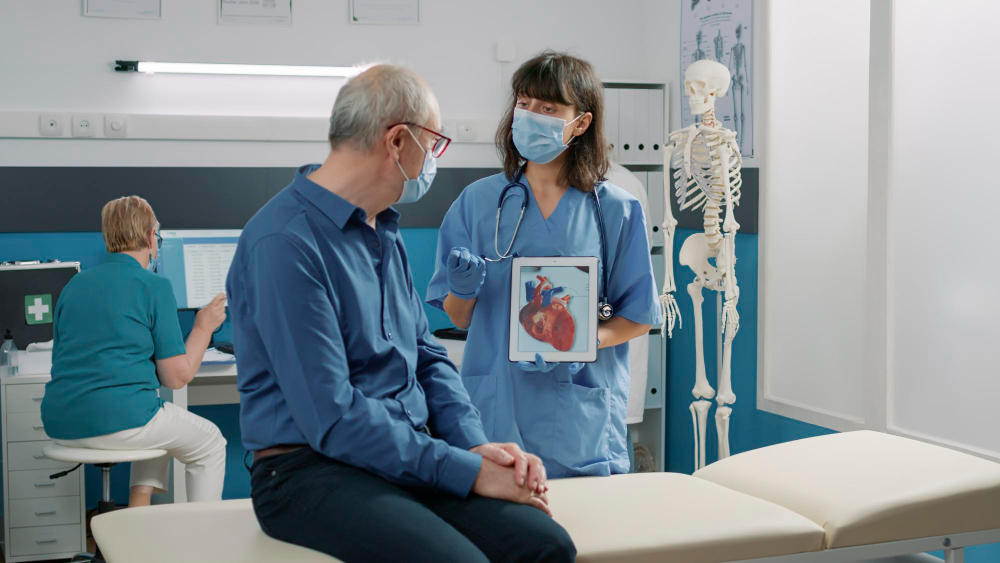
Cardiomyopathy is a disease that affects the heart muscle. It can make it hard for the heart to pump blood. Because symptoms can be mild or confusing, getting the right diagnosis is very important. In this blog, we explain how cardiomyopathy is diagnosed. We also cover the tests doctors use and what you can expect during the process.
What Is Cardiomyopathy?
Cardiomyopathy means the heart muscle becomes weak, thick, or stretched. As a result, the heart cannot pump blood as well as it should. There are different types, but all can lead to heart problems if not treated. For example, some people may develop heart failure or irregular heartbeats. According to the CDC, early detection helps manage symptoms and prevent complications.
Why Early Diagnosis Matters
Early diagnosis of cardiomyopathy can save lives. When doctors find the disease early, they can start treatment sooner. This often leads to better outcomes. In addition, early care can slow the disease and help you feel better. If left untreated, cardiomyopathy can cause serious heart problems. Therefore, knowing the signs and getting checked is important.
Common Symptoms Leading to Diagnosis
Many people do not notice symptoms at first. However, as the disease gets worse, signs may appear. Watch for these common symptoms:
If you notice these symptoms, talk to your doctor. Sometimes, symptoms can be mild or mistaken for other problems. That is why a proper cardiomyopathy diagnosis process is important.
Diagnostic Methods for Cardiomyopathy
Doctors use several tests for cardiomyopathy. These help them see how your heart is working. Here are the most common tests used in the cardiomyopathy diagnosis process:
Each test gives doctors important clues. Together, they help confirm how doctors diagnose heart muscle disease.
What to Expect During Diagnosis
First, your doctor will ask about your symptoms and family history. Next, you may have a physical exam. After that, the doctor will order one or more tests. Most tests are painless and done in a clinic or hospital. For example, an ECG or echocardiogram usually takes less than an hour. If you need a biopsy, it may take longer and require special care. Throughout the process, your doctor will explain each step. This helps you feel comfortable and informed.
When to See a Doctor
If you have symptoms like shortness of breath, swelling, or chest pain, see a doctor soon. Also, if someone in your family has cardiomyopathy, you may need screening. Early testing can catch problems before they get worse. In many cities, including major hospitals, you can find experts in cardiomyopathy diagnosis. Do not wait if you are worried about your heart health.
Conclusion
Cardiomyopathy can be serious, but early diagnosis makes a big difference. Doctors use several tests to find out if you have this heart muscle disease. If you notice symptoms or have a family history, do not delay. Consult a healthcare specialist for personalized advice on cardiomyopathy diagnosis.
Sources: Centers for Disease Control and Prevention (CDC), World Health Organization (WHO), American Heart Association.